
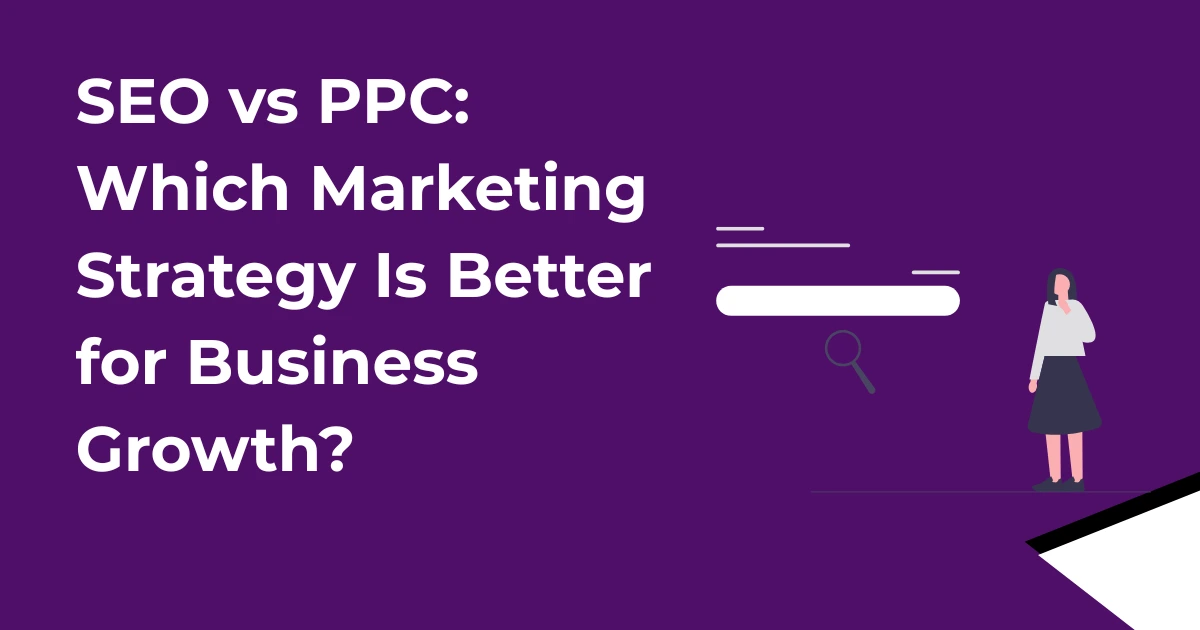
SEO vs PPC: Which Marketing Strategy Is Better for Business Growth?
- July 6, 2026
- Uncategorized
Businesses looking to grow online often face an important decision: should they invest in SEO or PPC? Both strategies help attract customers, increase website traffic, and generate leads. However, they work in very different ways and deliver results on different timelines.
Understanding the strengths and limitations of each approach can help businesses make smarter marketing decisions. While some companies focus entirely on one strategy, many successful brands use both to achieve their growth goals.
What Is SEO?
SEO, or Search Engine Optimization, is the process of improving a website's visibility in organic search results. The goal is to help a website rank higher on search engines like Google when users search for relevant keywords.
SEO involves several activities, including keyword research, content creation, technical optimization, and link building. When done correctly, SEO can increase organic traffic and improve a website's credibility.
One of the biggest advantages of SEO is that it continues delivering value over time. A well-optimized page can attract visitors for months or even years after publication.
What Is PPC?
PPC, or Pay-Per-Click advertising, is a digital marketing strategy where businesses pay for advertisements that appear on search engines and other online platforms.
With PPC, companies bid on keywords and display ads to users searching for related products or services. Advertisers only pay when someone clicks on the ad.
Because PPC campaigns can be launched quickly, businesses often use them when they need immediate visibility, website traffic, or lead generation.
How SEO and PPC Work Differently
Although both strategies aim to attract customers, their approach is very different.
SEO focuses on earning visibility through organic search rankings. Businesses invest time and effort into creating valuable content and optimizing their websites for search engines.
PPC relies on paid advertising. Instead of waiting for rankings to improve, businesses can appear at the top of search results almost immediately by running ad campaigns.
This difference makes SEO a long-term strategy and PPC a short-term solution for gaining visibility.
The Benefits of SEO
SEO offers several advantages for businesses focused on long-term growth.
⋆ Long-Term Traffic
One of the biggest benefits of SEO is sustainable traffic. Once a website ranks well, it can continue attracting visitors without paying for every click.
⋆ Better Return on Investment
Although SEO requires time and effort, it often provides a strong long-term return on investment. High-ranking pages can generate traffic for extended periods.
⋆ Increased Credibility
Many users trust organic search results more than advertisements. Strong rankings can improve a brand's authority and credibility in its industry.
The Benefits of PPC
PPC also provides unique advantages that make it valuable for many businesses.
⋆ Immediate Results
Unlike SEO, PPC campaigns can generate traffic almost instantly. Businesses can begin receiving clicks and leads shortly after launching a campaign.
⋆ Advanced Targeting
PPC platforms allow advertisers to target users based on location, demographics, interests, and search behavior. This level of control can improve campaign performance.
⋆ Easy Performance Tracking
Businesses can monitor clicks, conversions, costs, and other important metrics in real time. This makes it easier to adjust campaigns and improve results.
When Should Businesses Choose SEO?
SEO is often the better choice when businesses want sustainable growth and long-term visibility.
Companies with patience and a long-term marketing strategy can benefit significantly from SEO. It is particularly effective for businesses that regularly publish content and want to build authority within their industry.
When Should Businesses Choose PPC?
PPC works best when businesses need fast results.
It is ideal for product launches, seasonal promotions, special offers, and competitive markets where gaining immediate visibility is important.
Businesses that want quick traffic and measurable results often use PPC as part of their overall marketing strategy.
Why Many Businesses Use Both SEO and PPC
Rather than choosing one strategy over the other, many businesses combine SEO and PPC.
PPC provides immediate visibility while SEO builds long-term organic growth. Together, these strategies help businesses maximize their online presence and reach customers at different stages of the buying journey.
This balanced approach often produces better results than relying on a single marketing channel.
Frequently Asked Questions
⋆ What Is the Difference Between SEO and PPC?
SEO focuses on improving organic search rankings, while PPC uses paid advertisements to generate traffic and leads.
⋆ Is SEO Better Than PPC?
Neither strategy is universally better. SEO is generally stronger for long-term growth, while PPC is better for immediate visibility and quick results.
⋆ Can Businesses Use SEO and PPC Together?
Yes. Many businesses combine SEO and PPC to achieve both short-term and long-term marketing goals.
Final Thoughts
The SEO vs PPC debate does not have a single winner because both strategies serve different purposes.
SEO helps businesses build sustainable traffic, improve credibility, and generate long-term results. PPC delivers immediate visibility, targeted traffic, and faster lead generation.
The best strategy depends on your goals, budget, and timeline. However, businesses that combine SEO and PPC often achieve the strongest results by balancing short-term gains with long-term growth
About us and this blog
We are a digital marketing company with a focus on helping our customers achieve great results across several key areas.
Request a free quote
We offer professional SEO services that help websites increase their organic search score drastically in order to compete for the highest rankings even when it comes to highly competitive keywords.
Subscribe to our newsletter!
More from our blog
See all posts
Recent Posts
- How to improve your communication skills in everyday life July 6, 2026
- A Beginner's Guide to Using Artificial Intelligence Today July 6, 2026
- What to Do After B.Com: Your Complete Guide July 6, 2026